A useful custom tile colour brief is one page that fixes the design intent and leaves production questions open for the supplier to answer. Send a physical colour reference, the intended tile location, a proposed format, the surrounding materials, a provisional quantity and a named approver. Then agree which sample will become the approval reference before an order is released.
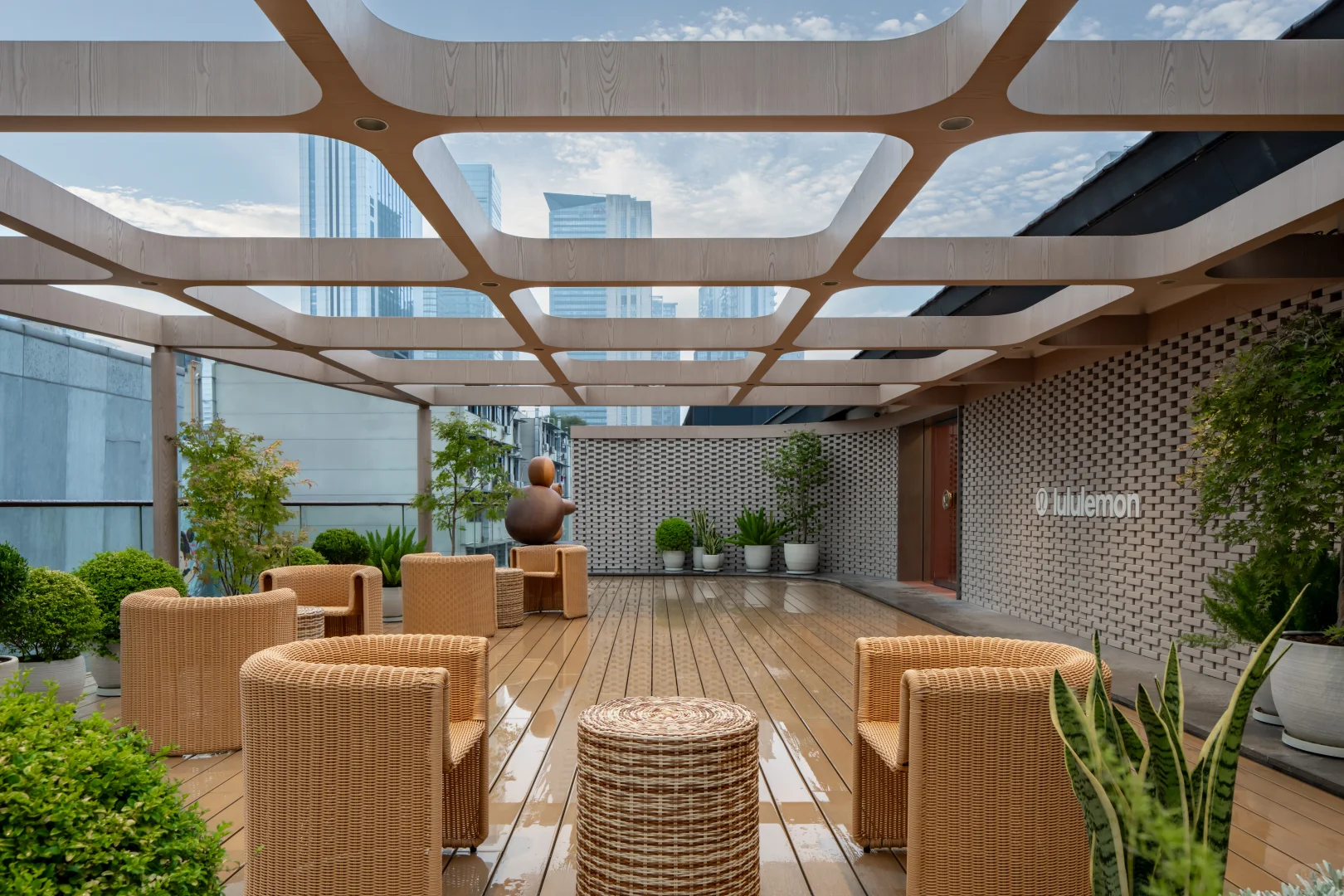
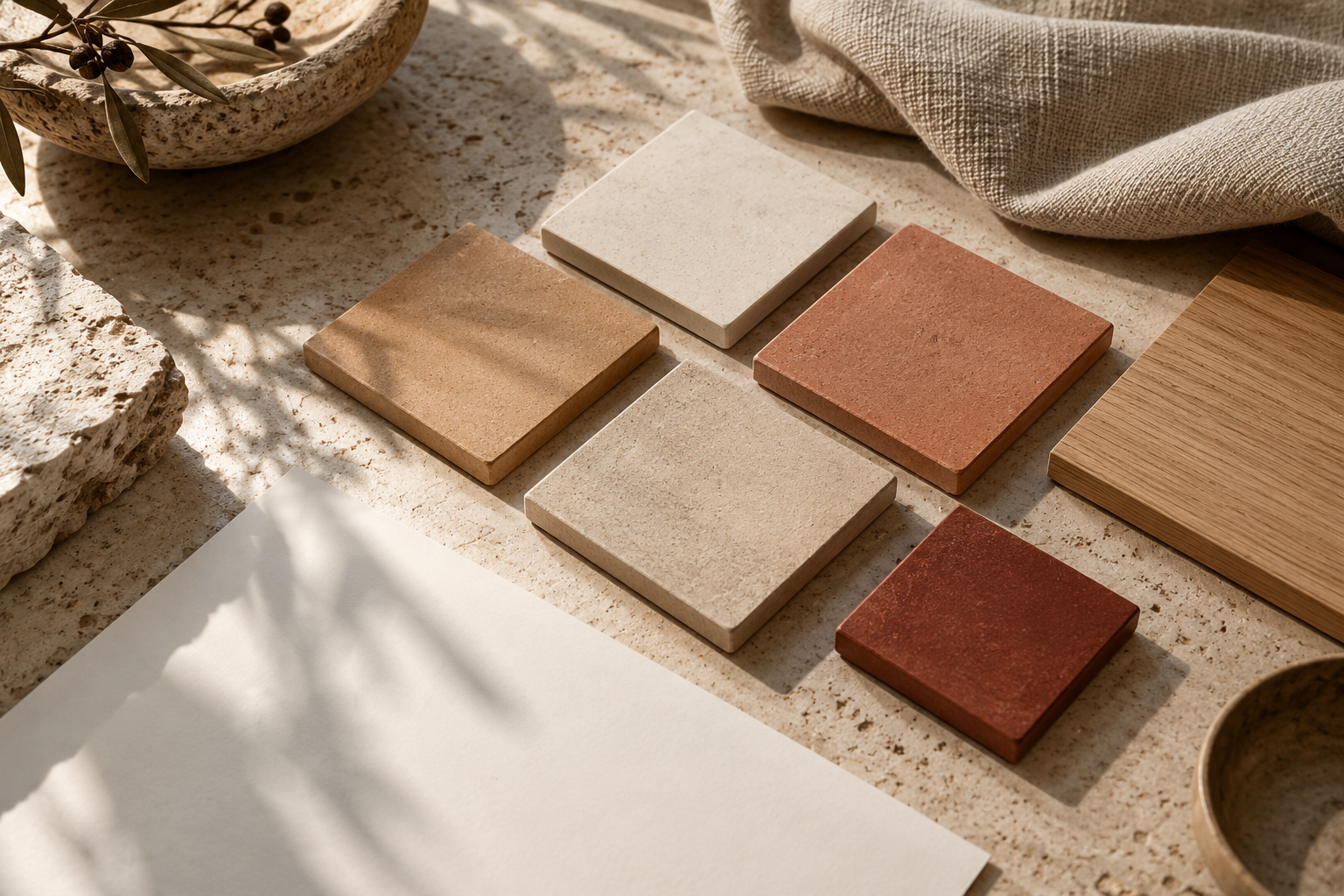
CLEM invites project-specific colour enquiries and physical sample requests. Its current Clem Colour Palette is a starting point for the conversation, not a promise that a supplied chip can be reproduced exactly or that every colour will work in every format and finish. The three images here are AI-generated editorial concepts; they are not photographs of CLEM products, approved samples or completed projects.
The one-page colour brief
Keep the request short enough that the designer, supplier and procurement team can work from the same version. Put these fields on one page, with the drawing and reference images attached separately:
Field | What to send
Project and contact Project name, location, stage, design contact and person who can approve the sample. |
| Where the tile goes | Identify each surface separately, such as an interior feature wall or a floor. Note exposure, cleaning expectations and requirements the selected product must meet. |
| Colour reference | Identify one primary physical chip or retained sample by code and date. Add photographs and digital colour values only as context; screen colour is not an approval reference. |
| Visual direction | Describe hue, depth, grain and desired tonal movement. Include nearby materials and planned lighting so the supplier sees the colour in context. |
| Proposed module | Give preferred dimensions, layout and finish, clearly marked as a request until the supplier confirms the available product, format and surface. |
| Quantity and programme | Give approximate tiled area, allowance still to be calculated, site location and target decision date. Ask the supplier to confirm order quantity, any minimum order, sampling and production timing. |
| Sample decision | State who will review samples, under which lighting, and what must be approved before procurement. Keep a labelled reference of the accepted sample or agreed range. |
The attached drawing should label the relevant surface and dimensions. A colour mood board alone cannot tell the supplier whether the proposed material will be used on a wall, floor or wet area, or whether the requested module can be supplied for that use.
A filled example to adapt
The following is a hypothetical brief for a retail interior. Its colour name, reference code, area and dates illustrate the handoff; they are not a CLEM product offer or a confirmed production specification.
| Field | Hypothetical entry |
|---|---|
| Project and approver | North Street store, Melbourne; design development; project interior designer to approve the sample. |
| Application | Dry interior fitting-room feature wall. Floor tile will be specified separately. |
| Colour and context | Muted clay red with visible, low-contrast mineral grain. Primary reference: physical painted-joinery chip NS-04, dated 5 October 2026. Pale oak doors, brushed metal rails and warm project lighting. |
| Proposed module | 5 × 15 cm, laid vertically. Request available finish options and confirmation that the selected product and format suit this wall. |
| Provisional extent | Approximately 28 m², subject to final take-off and waste allowance. |
| Review and response | Compare samples beside NS-04 and adjoining materials in intended lighting. Designer to retain the agreed sample or acceptable range. Ask supplier about feasibility, sampling, product, format, finish, technical information, minimum order if any, price and timing. |
If the original chip is painted timber, name it as an aesthetic target rather than a material or performance standard for tile. The team may accept a close interpretation with mineral variation; it should decide that from a physical sample, not an email image. Where the wall has several lighting conditions, review the same sample in each relevant condition and record the result.
Four decisions before the colour is released
1. Confirm the route. Ask whether a current palette colour already answers the brief, whether a project-specific colour can be sampled, and which product family, format and finish are possible. CLEM's Clem Colour Palette is useful for choosing a starting direction; the supplier must confirm the actual options for the enquiry.
2. Agree a physical reference. Ask what form the first sample will take and whether it represents the proposed finish and module. Compare it with the labelled chip and neighbouring materials in project lighting. If revisions are needed, identify each iteration by date or code so an earlier image cannot be mistaken for the approved version.
3. Check the project constraints. Request current technical information for the exact selected product, format, finish and application. Confirm available quantity, any minimum order, cost and timing with the supplier before locking the programme. Do not transfer a suitability statement from an interior wall to a floor or another exposure.
4. Record the approval. Name the approved sample or acceptable range, who approved it, the date, and the drawing or finish schedule it belongs to. If the installed result depends on grout, adjacent materials or lighting, review a representative mock-up before the final procurement decision. Keep the signed reference available to the design and site teams.
An approval should identify what has actually been accepted. Words such as “warm red” or a rendered image are useful for the first conversation, but they do not settle acceptable variation or the final finish. Record unresolved items explicitly and ask the supplier to answer them before the relevant decision gate.
Send the enquiry with a clear next action
A short closing request can be: “Please advise whether this colour direction can be sampled for the proposed wall application, and confirm the available product, 5 × 15 cm format and finish options. Please provide the current technical information and the sampling, quantity, price and timing terms for this project.”
You can explore CLEM's colour palette and contact CLEM with the one-page brief, labelled colour reference and drawing. The useful outcome of the first enquiry is a documented route to a reviewable sample and a list of points the supplier has confirmed for this particular project.
Research notes
Sources & verification
- CLEM homepage, checked 5 October 2026: custom-colour tiles, modular formats, physical samples and project-specific specification support.
- https://www.clemstonetiles.com/
- CLEM Clem Colour Palette, checked 5 October 2026: physical samples, project-specific colour discussion, reference/application/quantity inputs and confirmation of product/format/finish/suitability.
- https://www.clemstonetiles.com/series-clem-colour-palette.html
- CLEM products page, checked 5 October 2026: compare physical samples and check format, finish and project-specific information.
- https://www.clemstonetiles.com/products.html
- One-page brief, hypothetical example and decision gates are editorial process guidance. North Street store, NS-04 and its area are fictional. All three images are AI-generated editorial concepts made for this article on 5 October 2026; they are not CLEM product photos, approved samples, completed projects or technical evidence.
Technical suitability and current availability should be confirmed for each project.