Brick tiles, pressed from recycled stone and finished by hand.
Terracotta, red, cream, sage and charcoal brick tiles for restaurant walls, bar fronts, kitchen splashbacks and feature walls. 3 × 6 in bricks and 2 × 6 in linear tiles, pressed in Foshan from recovered stone. The colour is mixed by hand, and the edges and surface texture are finished by hand.
Same tile, two names: our 3 × 6 in brick tile is what UK designers call a metro tile and US designers a subway tile. See the colours in room settings in Inspiration.
- 3 × 6, 2 × 6 and 1.5 × 6 in
- Hand-mixed colour, hand-finished edges
- 20 colours plus custom




Terracotta and red brick tiles.
Brick red, terracotta, burnt orange and dark umber. Add the shades you want to compare and they are carried into the request form. More warm shades on the terracotta colours page.
-
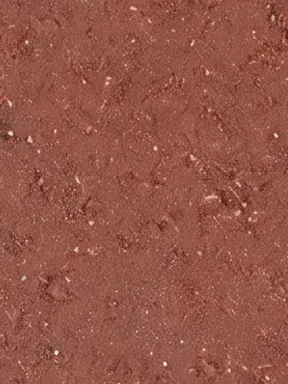
Original RedC01
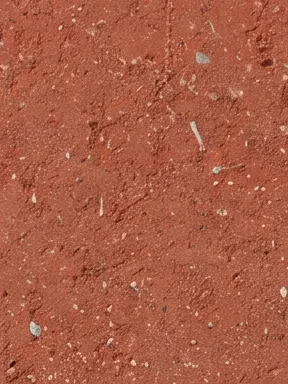
C01 Original Red presents a warm brick-red field scattered with fine pale and charcoal mineral flecks, giving the surface a lively but balanced grain.
-
Terracotta RedC02
C02 Terracotta Red is a deeper, more muted oxide red with dense fine speckling and less pale contrast than C01.
-
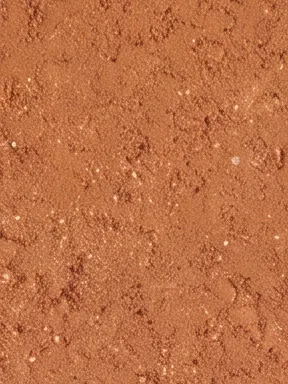
Burnt TerracottaC11
C11 Burnt Terracotta is a vivid rust-orange colour animated by coarse dark and pale mineral flecks, creating noticeable texture and warmth.
-
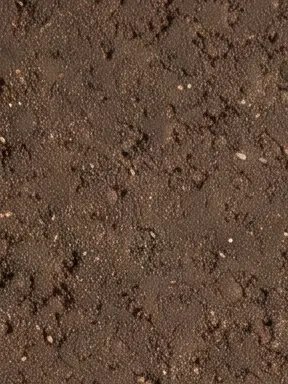
Dark UmberC14
C14 Dark Umber is a deep coffee-brown colour with dense irregular lighter flecks, producing a grounded surface with medium-to-high visual variation.
Cream and ivory brick tiles.
Warm ivory, sand and taupe for light kitchens, bathrooms and shopfronts. Cream brick tiles show the most contrast with a darker grout.
-
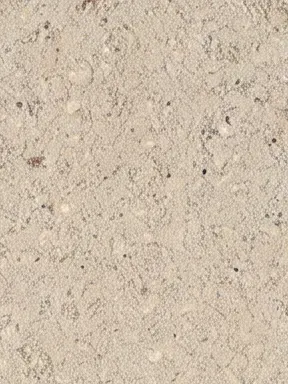
Ivory StoneC05
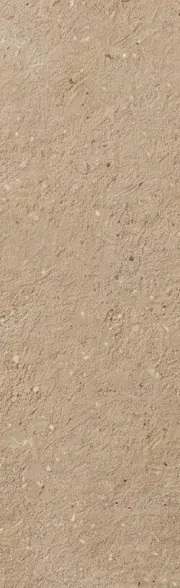
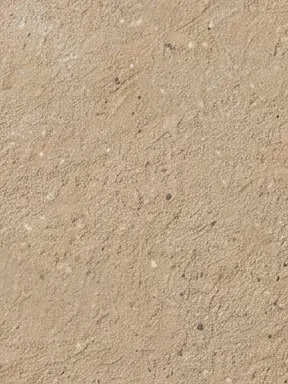
C05 Ivory Stone has a warm creamy base punctuated by sparse ochre and grey pinpoints, adding visible texture while keeping the overall field light.
-
Warm SandC03
C03 Warm Sand combines a light biscuit-beige base with fine dark and pale granules, producing gentle movement without a strong graphic contrast.
-
Warm TaupeC19
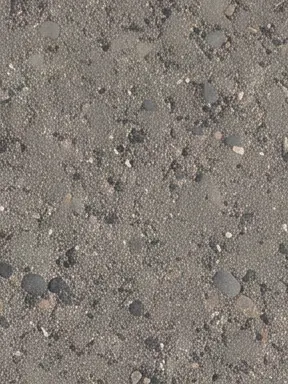
C19 Warm Taupe presents a balanced grey-brown base with salt-and-pepper grain and gentle cloudy movement through the photographed face.
Green brick tiles in sage.
Pale sage, grey sage and deep graphite sage. Pairings on the sage green tiles page.
-
Sage MistC04
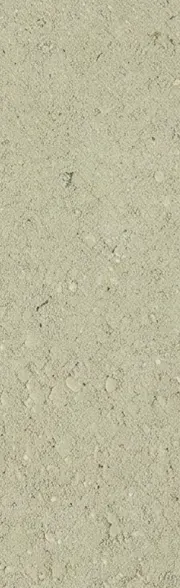
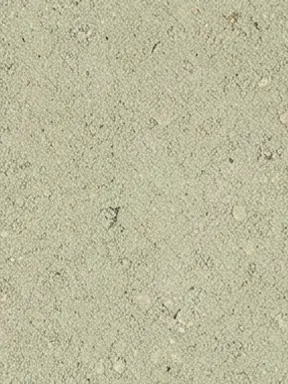
C04 Sage Mist shows a pale celadon-sage colour with delicate peppered grain and low tonal contrast across the photographed face.
-
Mist SageC15
C15 Mist Sage is a very pale grey-green colour with fine, low-contrast grain that keeps the photographed strip quiet and softly mineral.
-
Graphite SageC17
C17 Graphite Sage combines a dark forest-sage base with pale mineral peppering, creating stronger contrast and a more dramatic grain than C15.
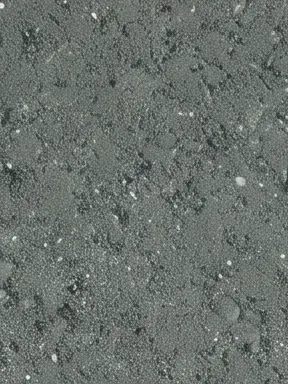
Dark brick tiles.
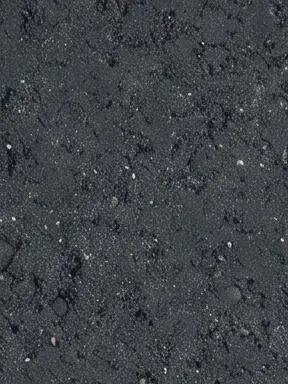
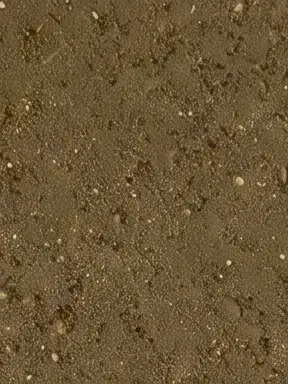
Charcoal and olive brown for bar fronts, feature walls and borders.
-
Charcoal BlackC08
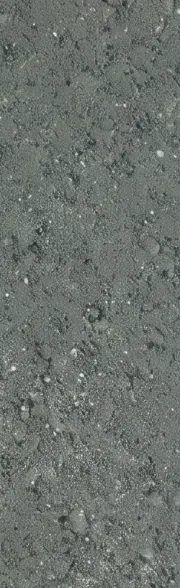
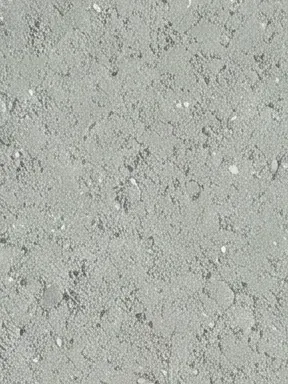
C08 Charcoal Black reads as a blue-black graphite field with fine pale mineral flecks, giving the dark colour controlled surface movement.
-
Olive BrownC10
C10 Olive Brown has a khaki, moss-brown base with coarser multi-toned granules and stronger local variation than the cleaner neutrals.
Brick tile sizes.
Every Clem Colour Palette colour is made in all brick and linear formats. Dimensions, thicknesses and weights: specifications.
| Format | Metric | Inches | Typical use |
|---|---|---|---|
| Square | 15 × 15 cm | 6 × 6 in | Floors, walls and checkerboards |
| Brick | 7.5 × 15 cm | 3 × 6 in | Splashbacks, bar fronts, herringbone |
| Linear | 5 × 15 cm | 2 × 6 in | Fluted fronts and vertical stacks |
| Slim linear | 3.6 × 15 cm | 1.5 × 6 in | Curved fronts and fine vertical rhythm |
| Mosaic | 5 × 5 cm | ≈ 2 × 2 in | Small-scale checks, returns and details |
| Mosaic | 2.5 × 2.5 cm | ≈ 1 × 1 in | Fine patterns and panels |
Price: up to AUD 200 per m², delivered to your door (about USD 140 · EUR 122 · GBP 105). Minimum order 20 m². Pricing and first-order credit.
What is done by hand.
Designers often look for the variation of handmade tiles but need the even sizes of a pressed tile. This is how each CLEM brick tile is made. The full production process.
| Step | How it is done | What it gives you |
|---|---|---|
| Colour | Mixed by hand | Custom shades and slight tonal variation between pieces |
| Tile body | Recovered stone powder and cement, wet-pressed by machine at roughly 300–400 tonnes | Consistent sizes for straight joints and repeat orders |
| Edges | Trimmed by hand | Softer edges than a sawn or pressed-only tile |
| Surface texture | Worked by hand | A tactile matt mineral face |
Laying patterns for brick tiles.
The 7.5 × 15 cm brick is exactly half a 15 × 15 cm square, so most classic patterns work without cutting down the format.
- Running bond
Each row offset by half a brick: the classic brick wall.
- Stack bond
Joints lined up, laid horizontally or vertically, for a calmer, modern grid.
- Herringbone
Bricks laid at 90° to each other; works on splashbacks, walls and bar fronts.
- Basketweave
Pairs of bricks form squares, alternating direction.
- Vertical linear
5 × 15 or 3.6 × 15 cm tiles stacked upright for a fluted look on bar fronts and counters.
Brick tile questions.
Are these handmade brick tiles?
Partly. The colours are mixed by hand, and after pressing the edges are trimmed and the surface texture is worked by hand. The tile body itself is wet-pressed by machine at roughly 300 to 400 tonnes, so we call them hand-finished rather than handmade. Handmade, handmade-look and recycled mineral tiles.
What sizes are the brick tiles?
7.5 × 15 cm (3 × 6 in) bricks, plus 5 × 15 cm (2 × 6 in) and 3.6 × 15 cm (1.5 × 6 in) linear tiles. All three can be combined with 15 × 15 cm (6 × 6 in) squares and 5 × 5 and 2.5 × 2.5 cm mosaics in the same colour.
Are they the same as brick slips?
No. Brick slips are thin slices cut from fired clay bricks, often used on facades. CLEM brick tiles are recycled stone tiles in a brick format, catalogued for interior walls and interior floors.
Can I use brick tiles in a kitchen, bathroom or on a floor?
Kitchen splashbacks, bathroom walls, bar fronts and feature walls are typical uses. The range is catalogued for interior floors, but slip-resistance results (AS 4586) are not yet available, so tell us the floor area and use before you specify. For showers and other wet areas we confirm the product and finish first.
Which grout colour should I use?
A contrasting grout, for example charcoal with cream bricks, makes the brick pattern read clearly. A grout close to the tile colour gives a softer, more solid wall. Try both on a small mock-up with the real tiles.
How much do they cost and how long do they take?
Up to AUD 200 per m², delivered to your door (about USD 140 · EUR 122 · GBP 105). Minimum order 20 m² for standard colours. Production takes about 14 days for orders under 200 m² and about 3 weeks for larger orders, then sea freight from Foshan. Pricing and first-order credit.
Can you match a brick colour from a reference?
Custom colours are available on enquiry and need a deposit before production. Send a physical or digital reference, the area and your timeline. How to brief a custom colour.
Compare brick colours in your light.
Tell us the colours you are considering, the wall or counter area and your timeline, and where to send samples.
- Send the colours and project details below.
- We reply by email within 1–2 business days. Colour cards are free; full-size sample boxes are confirmed for live projects.
- Review physical pieces with your lighting, grout and neighbouring materials before you specify.
Prefer email? clemofficial111@gmail.com
Phone: +61 422 611 898 · +86 133 7847 1730