Compact stone tiles, pressed from recycled stone.
Compact stone, compressed stone, reformed stone, cold-pressed tile: different names for tiles made by pressing ground stone with a binder instead of firing clay. CLEM presses recovered porphyry, quartz and granite with cement into square, brick and mosaic tiles for hospitality and retail interiors, factory-direct from Foshan.
- Recovered porphyry, quartz and granite
- Wet-pressed at 300–400 tonnes
- 20 m² minimum for standard colours
One material family, several names.
Suppliers describe pressed stone tiles in different ways. The name tells you little on its own; ask what goes in, how it is formed and what has been tested.
| Name you may see | What it usually describes |
|---|---|
| Compact or compacted stone | Ground stone pressed into tiles. Used by Italian makers and in CLEM’s own Journal. |
| Compressed stone | The same idea, stressing the pressing step. |
| Reformed or reconstituted stone | Terms used by some UK tile retailers for tiles made from recycled stone aggregate and cement. |
| Cold-pressed tile | Stresses that the tile is pressed and hardened rather than kiln-fired like ceramic or porcelain. |
| Recycled stone or recycled mineral tile | Stresses where the raw material comes from. Ask for the recycled share in writing if your brief needs a number. |
How CLEM makes them.
In short. Every stage is described in the production article.
- Recover
Stone fragments from stone processing, including porphyry, quartz and granite, and other suitable building offcuts are collected and sorted.
- Grind
The material is ground to a fine powder so it blends evenly.
- Press
The powder is mixed with cement and wet-pressed at roughly 300 to 400 tonnes.
- Rest and inspect
Pieces rest for a week and are checked; deformed pieces go back to the grinding stage.
- Colour and finish by hand
Colours are mixed by hand. Accepted pieces are coloured, their edges trimmed by hand and the surface texture worked by hand, then packed.
Compact stone, porcelain and fired terracotta.
Three materials that can look alike in a render. A longer comparison with ceramic, terrazzo and natural stone.
| CLEM compact stone | Porcelain | Fired terracotta | |
|---|---|---|---|
| Body | Ground recovered stone with cement | Refined clay and minerals | Natural clay |
| How it is formed | Wet-pressed, rested, then coloured and finished by hand | Pressed and fired at high temperature | Shaped and kiln-fired |
| Surface | Visible mineral flecks and slight tonal variation | Often a glazed or printed face | Clay colour set by the clay and the firing |
| Colour | 20 published colours plus custom colours | Depends on the range | Mostly warm clay tones |
Comparing CLEM with Italian compact stone.
Designers who know La Pietra Compattata often ask how CLEM compares. Both press recovered stone with cement rather than firing clay. The practical differences are origin, documentation and how you buy.
| CLEM | La Pietra Compattata | |
|---|---|---|
| Made in | Foshan, Guangdong, China | Italy |
| Raw material | Recovered porphyry, quartz and granite fragments and other suitable building offcuts, with cement | Porphyry, quartz and granite recovered from Italian stone processing, with pigments, recycled water and cement |
| Forming | Wet-pressed at roughly 300–400 tonnes, rested for a week | Cold-pressed and left to harden, with no gas-fired kiln |
| Finishes | Straight-Edge Finish and Water-Washed Finish | Smooth and tumbled finishes, varying by collection |
| Environmental documentation | No EPD published at present | EPD published for the Cromie range (ICMQ, 2022) |
| How you buy | Factory-direct; 20 m² minimum for standard colours; about 14 days’ production under 200 m² | Through national distributors and dealers |
| Shipping time | Sea freight from Foshan: about 4–7 weeks to Australia, 6–8 weeks to the UK, 3–8 weeks to the US | Ask the local distributor |
Choose colours to sample.
Add the colours you want to see in person; they are carried into the request form below. All 20 Colour Palette shades.
-
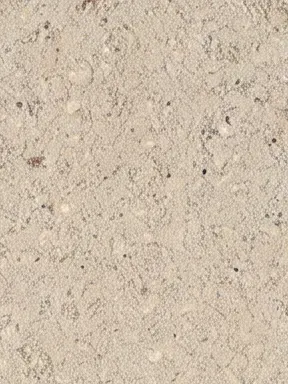
Ivory StoneC05
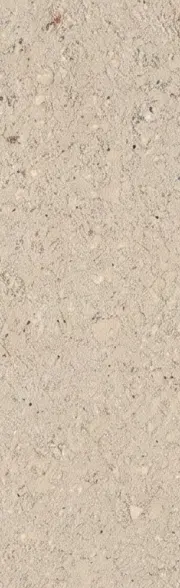
C05 Ivory Stone has a warm creamy base punctuated by sparse ochre and grey pinpoints, adding visible texture while keeping the overall field light.
-
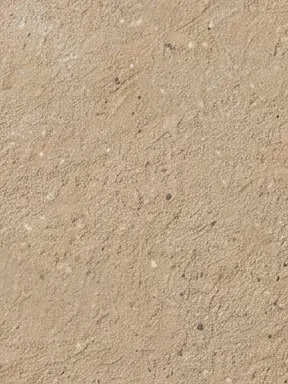
Warm SandC03
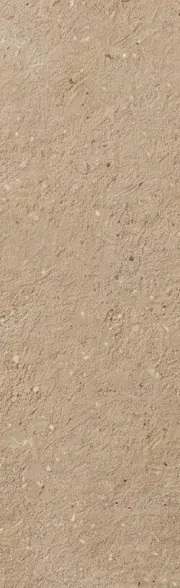
C03 Warm Sand combines a light biscuit-beige base with fine dark and pale granules, producing gentle movement without a strong graphic contrast.
-
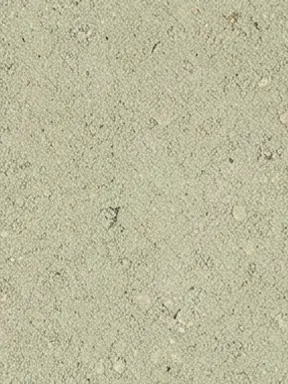
Sage MistC04
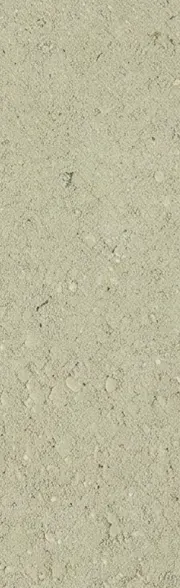
C04 Sage Mist shows a pale celadon-sage colour with delicate peppered grain and low tonal contrast across the photographed face.
-
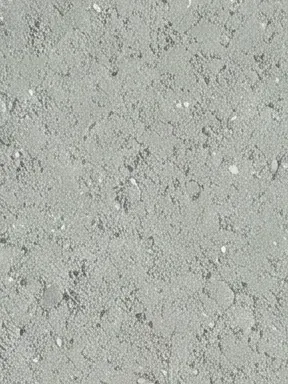
Mist SageC15
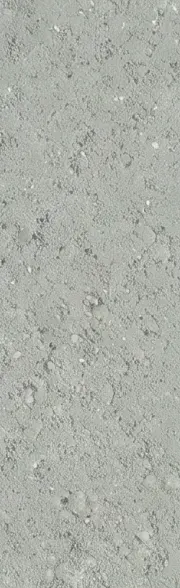
C15 Mist Sage is a very pale grey-green colour with fine, low-contrast grain that keeps the photographed strip quiet and softly mineral.
-
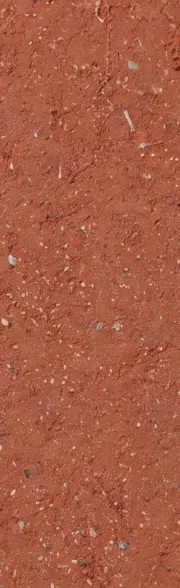
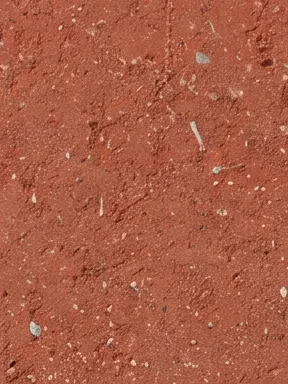
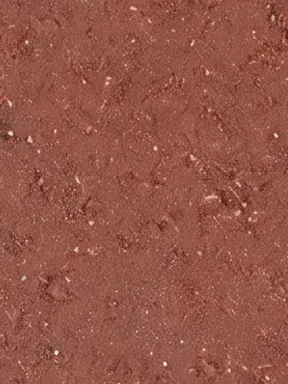
Original RedC01
C01 Original Red presents a warm brick-red field scattered with fine pale and charcoal mineral flecks, giving the surface a lively but balanced grain.
-
Terracotta RedC02
C02 Terracotta Red is a deeper, more muted oxide red with dense fine speckling and less pale contrast than C01.
-
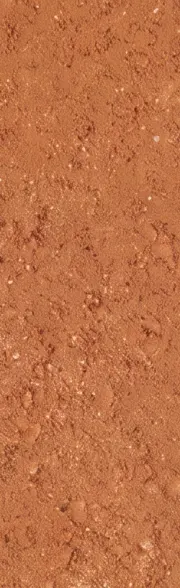
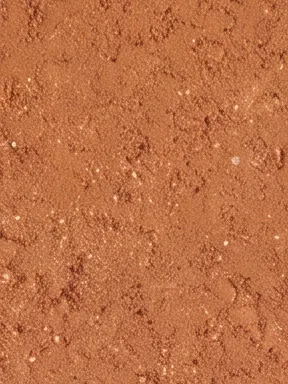
Burnt TerracottaC11
C11 Burnt Terracotta is a vivid rust-orange colour animated by coarse dark and pale mineral flecks, creating noticeable texture and warmth.
-
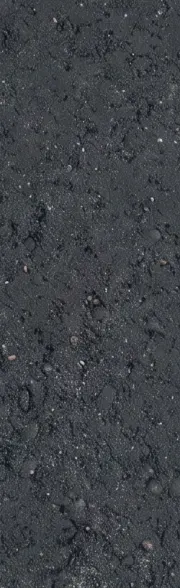
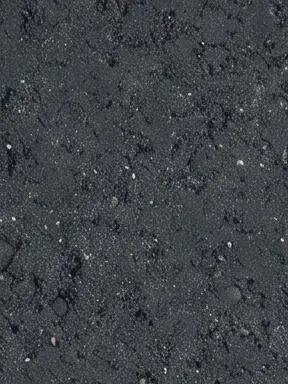
Charcoal BlackC08
C08 Charcoal Black reads as a blue-black graphite field with fine pale mineral flecks, giving the dark colour controlled surface movement.
Formats, finishes and uses.
Full dimensions, thicknesses and weights are on the specifications page. For counters see tiles for bar fronts.
| Formats | 15 × 15 cm square; 7.5 × 15, 5 × 15 and 3.6 × 15 cm brick and linear formats |
|---|---|
| Mosaics | 5 × 5 cm and 2.5 × 2.5 cm |
| Surface finishes | Straight-Edge Finish and Water-Washed Finish |
| Catalogued uses | Interior walls and interior floors. Outdoor use only where the selected technical finish is suitable. |
| Colour | 20 colours in the Clem Colour Palette, plus custom colours on enquiry |
| Made in | Foshan, Guangdong, China, supplied factory-direct |
| Price | Up to AUD 200 per m², delivered to your door (about USD 140 · EUR 122 · GBP 105). Minimum order 20 m². Pricing and first-order credit |
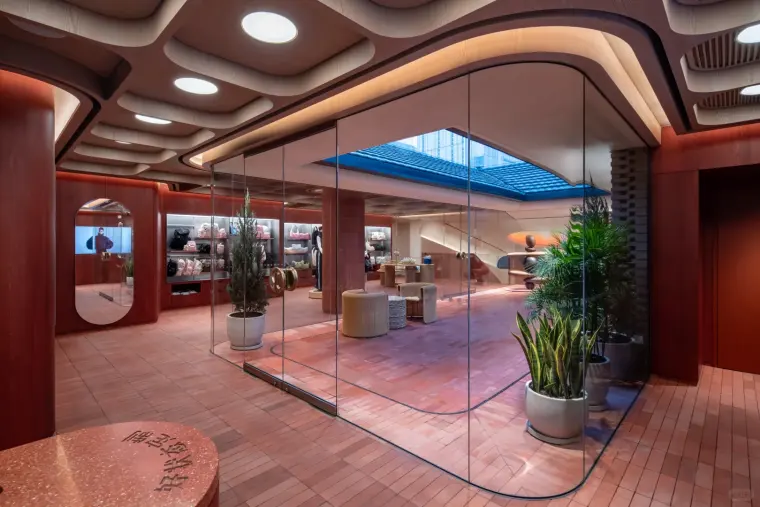
In use: lululemon, Chengdu Taikoo Li.
CLEM tiles were used in this lululemon store. C01 Original Red is confirmed among the CLEM colours selected for the project. On-site photograph.
Compact stone questions.
What is a compact stone tile?
A tile made by pressing ground stone with a binder, rather than shaping clay and firing it. CLEM grinds recovered stone, including porphyry, quartz and granite from stone processing, mixes it with cement and wet-presses it at roughly 300 to 400 tonnes. The six production stages.
Are compact, compressed and reformed stone the same thing?
They are names for the same family: stone powder or aggregate bound with cement and pressed or formed into tiles. Raw materials, recycled share, pressing method and finishing differ from maker to maker, so compare the product data rather than the name.
Is a compact stone tile the same as porcelain?
No. Porcelain is a clay body fired at high temperature and usually has a glazed or printed face. A compact stone tile is pressed from ground stone and cement, and its surface shows the mineral flecks of the recovered stone.
Can compact stone tiles be used on floors and outdoors?
The Clem Colour Palette is catalogued for interior walls and interior floors. Outdoor use is only possible where the selected technical finish is suitable, so tell us the location before you specify. Installing compacted stone tiles outdoors.
Do you publish an EPD or carbon figure?
Not currently. CLEM does not publish an EPD, LCA or carbon figure. If your project needs documentation, ask what is available for the product you are considering. How to evaluate recycled-tile claims.
What is the minimum order and lead time?
The minimum order for standard colours is 20 m². Orders under 200 m² are typically produced in about 14 days and orders of 200 m² or more in about 3 weeks, then shipped from Foshan. Trade and project supply.
Compare compact stone in person.
Tell us which colours you want, where the tiles will go and where to send samples.
- Send the colours and project details below.
- We reply by email within 1–2 business days. Colour cards are free; full-size sample boxes are confirmed for live projects.
- Review physical pieces with your lighting, grout and neighbouring materials before you specify.
Prefer email? clemofficial111@gmail.com
Phone: +61 422 611 898 · +86 133 7847 1730